

How older adults rise from a chair can influence their quality of life
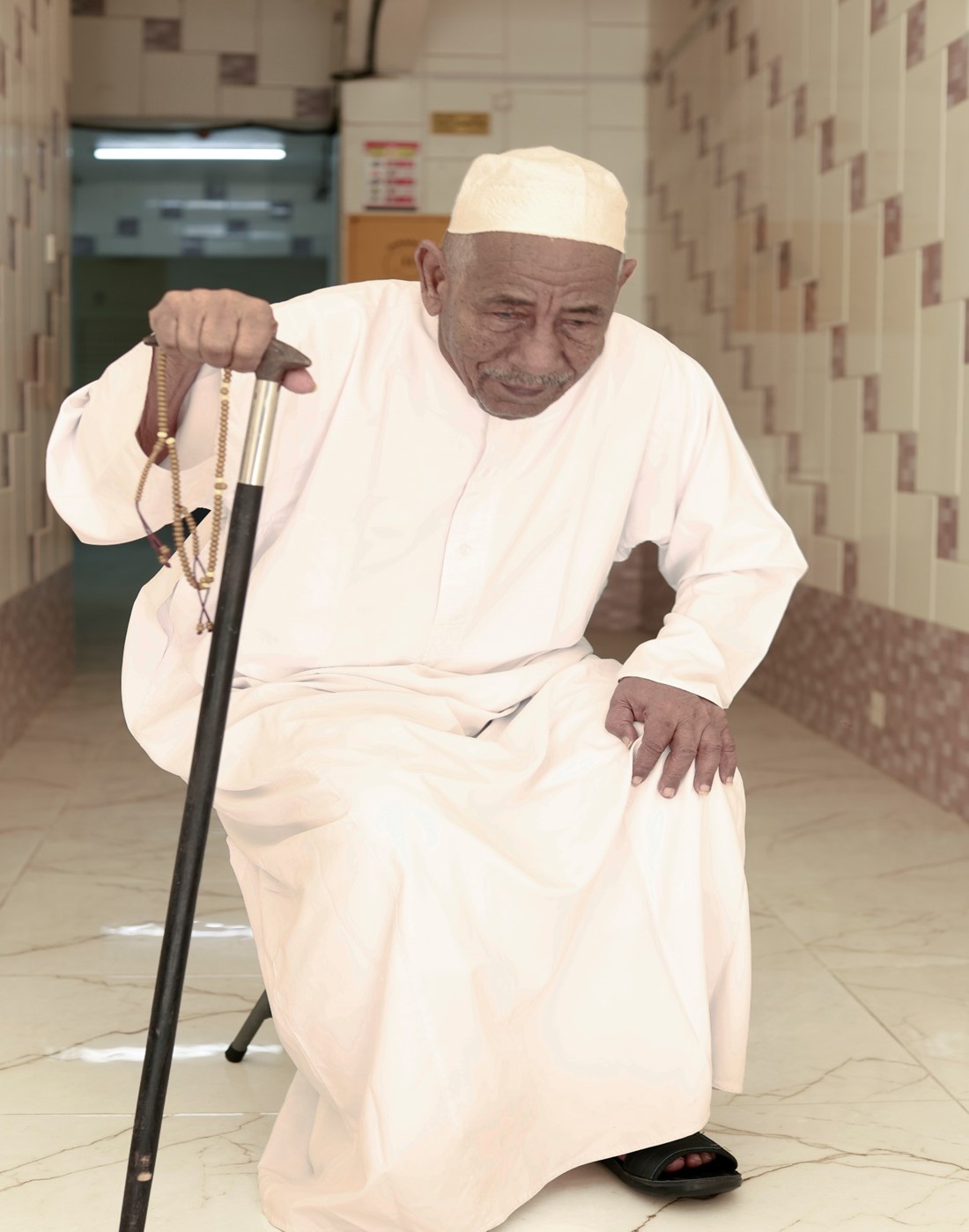
How easily older adults can stand up from a chair may be a telling indicator of their overall quality of life. Credit: Abdul Wahid Muhammad Ikram

If older adults report difficulty rising to their feet after prolonged sitting, they are more likely to experience mental health challenges and a decline in quality of life in the years that follow. Credit: Abdul Wahid Muhammad Ikram
How easily an older adult can rise from a chair is not only a key indicator of overall quality of life but also a potential sign of broader health problems.
SHARJAH, EMIRATE OF SHARJAH, UNITED ARAB EMIRATES, April 21, 2026 /EINPresswire.com/ -- How easily older adults can stand up from a chair may be a telling indicator of their overall quality of life. If they report difficulty rising to their feet after prolonged sitting, they are more likely to experience mental health challenges and a decline in quality of life in the years that follow.
The findings are reported in a large cohort study published in the journal Calcified Tissue International. Led by Prof. M. Azhar Hussain of the University of Sharjah in the United Arab Emirates, the study team analyzed health data from more than 50,000 adults aged 50 and above across 15 European countries, tracking the participants for nearly a decade.
At the start of the study, participants were asked a simple question: Did they have trouble standing up from a chair after sitting for a long time? Nearly one in five answered yes. The researchers found the answer to be highly revealing.
“We found that older adults who reported difficulty rising from a chair were more likely to experience poorer quality of life, symptoms of depression, and joint problems in the years that followed,” Prof. Hussain said.
Prof. Hussain explained that this apparently modest physical limitation carried significant, longer-term implications. “People who struggled to stand up were significantly more likely to later report lower life satisfaction and higher levels of emotional distress. They were also more likely to develop osteoarthritis, a common condition that causes pain and stiffness in joints and limits daily movement.”
The research team included scientists affiliated with universities in Finland, Pakistan, and Saudi Arabia. “Our findings show that a very simple question can reveal deeper vulnerabilities,” said Khalid Saeed, senior researcher at the University of Helsinki and a co-author. “Difficulty standing from a chair is not just about the legs. It reflects a broader decline that can affect independence, confidence, and mental well-being.”
Early health warning
Difficulty rising from a chair is widely used in geriatric assessments as an indicator of functional limitations and health problems. However, the authors note that its potential for predicting a broader range of health outcomes using large-scale longitudinal data has remained underexplored.
“Our data demonstrate that self-reported difficulty rising from a chair is a meaningful predictor of future psychosocial and musculoskeletal outcomes in older European adults,” they write. “Using a large longitudinal dataset, we observed that individuals reporting difficulty with chair rises at baseline had significantly higher odds of developing low QoL, depressive symptoms, and osteoarthritis during follow-up.”
Low QoL or low quality of life reflects deteriorating living conditions and reduced well-being, often driven by poor health. In scientific research, it denotes a state in which individuals struggle to enjoy daily life and report lower satisfaction with their life satisfaction.
According to the authors, one key practical implication of the study is that “a simple self-report of chair-rise difficulty can identify individuals at risk of psychosocial decline and musculoskeletal morbidity, outcomes that carry a substantial burden and are clinically actionable.”
They explain that this measure is easy to incorporate into routine clinical practice and aligns with existing recommendations for mobility screening in older adults. Asking whether someone finds it hard to stand up from a chair requires no equipment, no physical testing, and no financial cost.
Three key lessons
Prof. Hussain highlights three major takeaways from the study. First, the findings underscore the importance for clinicians and healthcare practitioners to pay close attention to whether older adults face any difficulty when rising from a chair.
“Standing up from a seated position requires strength, balance, and coordination. When this movement becomes difficult, people may begin avoiding activities, social gatherings, or even short trips outside the home,” he explains. “Over time, this reduced participation can contribute to feelings of isolation and low mood, further affecting overall well-being.”
The second takeaway is that, even after carefully accounting for age, body weight, and existing medical conditions, difficulty standing up from a chair did not consistently predict future development of heart disease or diabetes. “The researchers caution that these conditions have complex causes and that people with mobility problems may receive medical diagnoses differently,” Prof. Hussain notes. “However, the link with mental health and joint problems remained strong.”
The third takeaway is of relevance to global demographic trends, as aging populations pose a challenge worldwide. “Paying closer attention to early physical difficulties could help individuals and health systems act sooner, supporting healthier and more independent aging for longer,” he says.
The authors therefore urge health professionals to identify early signs of difficulty older adults encounter when rising from a seated position. Early identification, they reiterate, may allow timely intervention and improve physical functioning and overall quality of life.
In conclusion, they write, “Self-reported difficulty rising from a chair emerges as a simple yet powerful predictor of chronic disease risk, psychosocial decline, and multimorbidity in older adults. Its feasibility in large-scale assessments highlights its value as a low-cost screening tool in both clinical and public health contexts.”
Original Source URL: https://doi.org/10.1007/s00223-026-01523-9
Leon Barkho
University Of Sharjah
71501654376
email us here
Legal Disclaimer:
EIN Presswire provides this news content "as is" without warranty of any kind. We do not accept any responsibility or liability for the accuracy, content, images, videos, licenses, completeness, legality, or reliability of the information contained in this article. If you have any complaints or copyright issues related to this article, kindly contact the author above.
